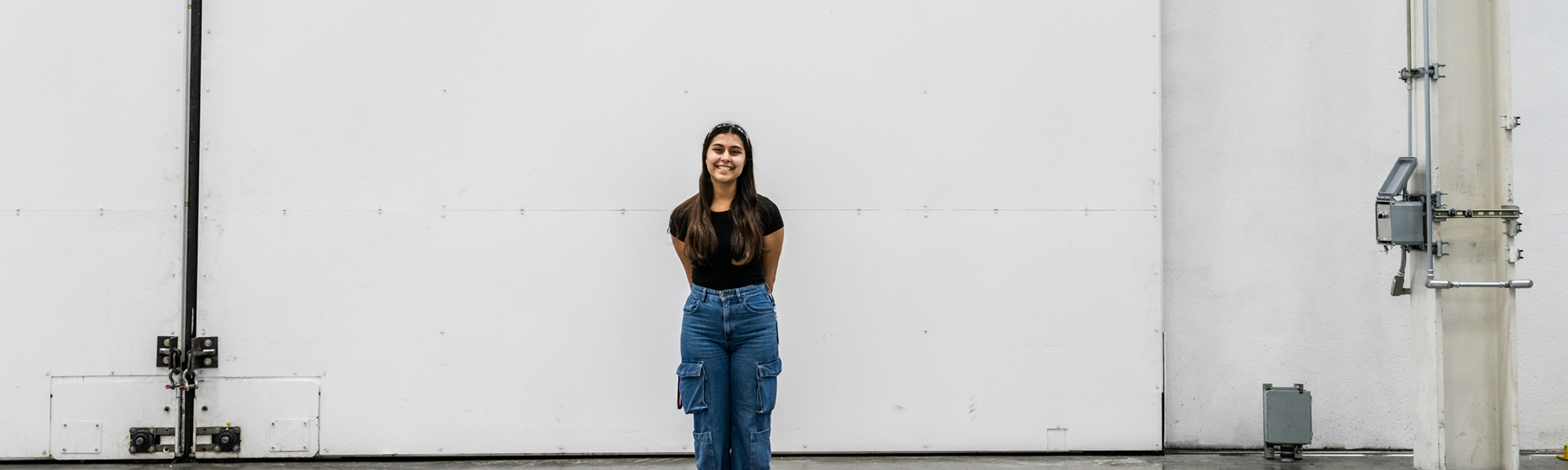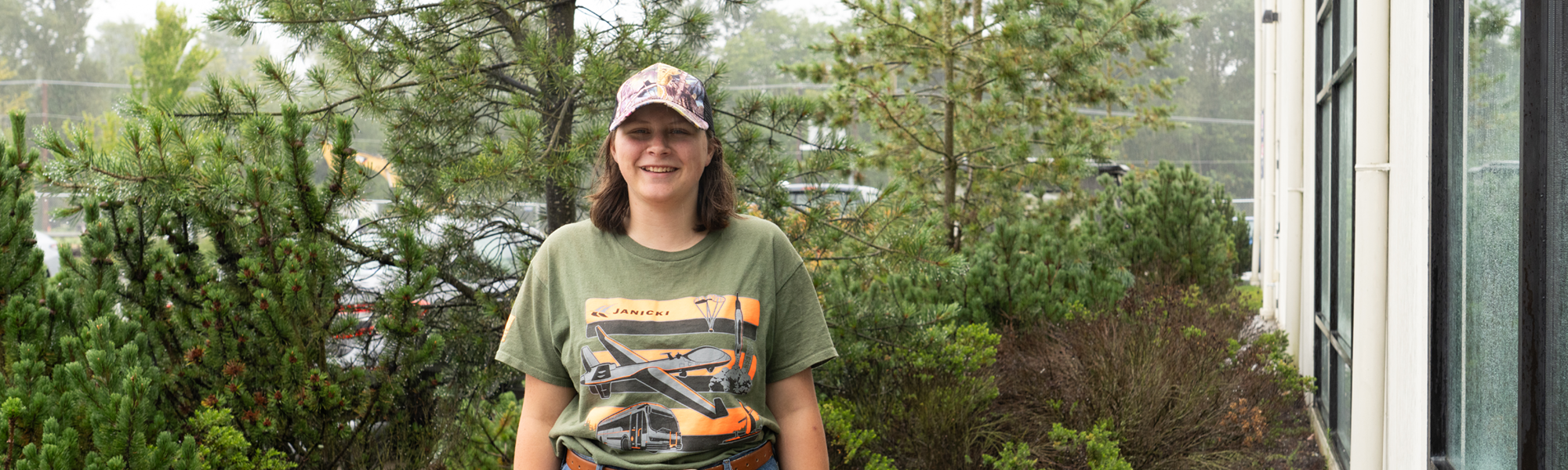


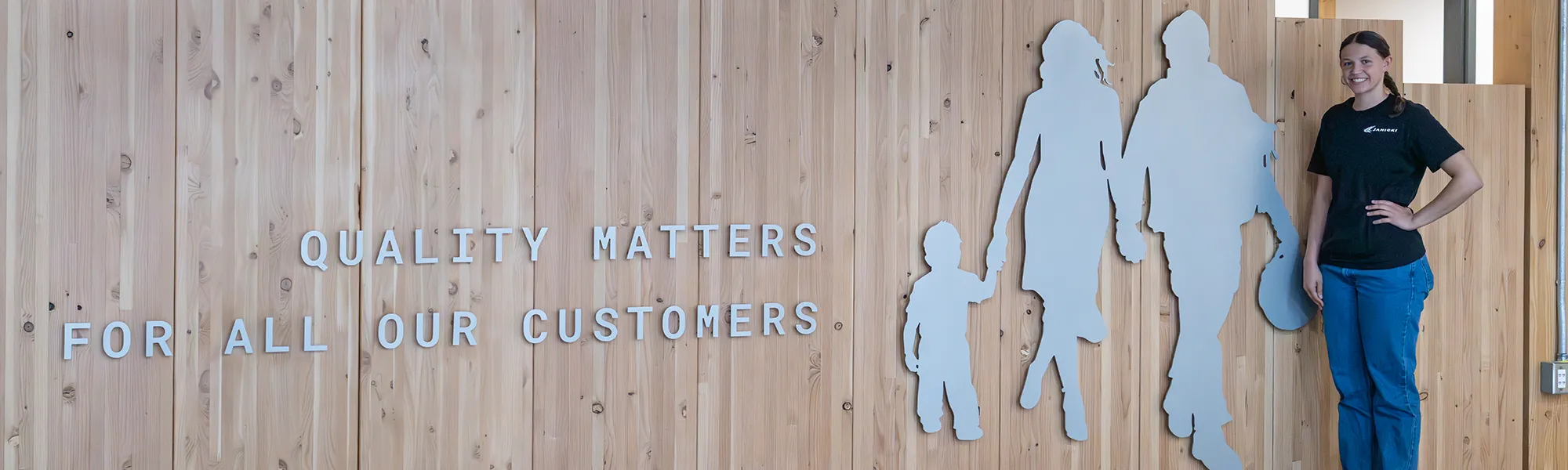
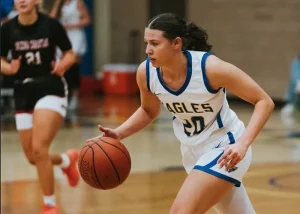
Jordyn is one of Janicki’s production interns for the summer of 2025. Originally from the Skagit Valley, she is entering her senior year at Embry-Riddle Aeronautical University in Arizona, where she is studying mechanical engineering with a focus on the propulsion track and a minor in mathematics. Outside the classroom, she competes on the university’s basketball team and enjoys baking. Jordyn’s interest in engineering stems from her early strengths in math and science.
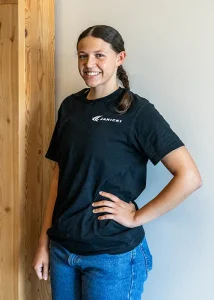
During her internship, Jordyn’s day-to-day work varies but primarily involves working on aircraft panels. She assists with drilling, sanding and other hands-on tasks. Jordyn values the collaborative environment at Janicki, noting that everyone she works with shares the same goals, which helps her stay grounded and purposeful in her work.
One of her favorite aspects of the internship has been the encouragement from her mentor to explore different buildings and projects. That support has given her the freedom to expand her understanding beyond her immediate responsibilities.
What she appreciates most about her current role is that it keeps her active and physically engaged while offering continuous learning. Working on the production floor has given her direct insight into the practical side of engineering, reinforcing what she has learned in the classroom
One of the biggest surprises for Jordyn has been the shift from the theoretical nature of academic work to the fast-paced, hands-on demands of the industry. While she can recognize some parallels between school and work, she said that applying skills in real time is a completely different experience and learning process.
Her advice for future interns:
“Ask questions. Lean into the role of an intern and learn as much as you can.”
Written by Avery, 2025 Human Resources Intern
Are you interested in becoming a Janicki intern? Visit our Internships page for more information.
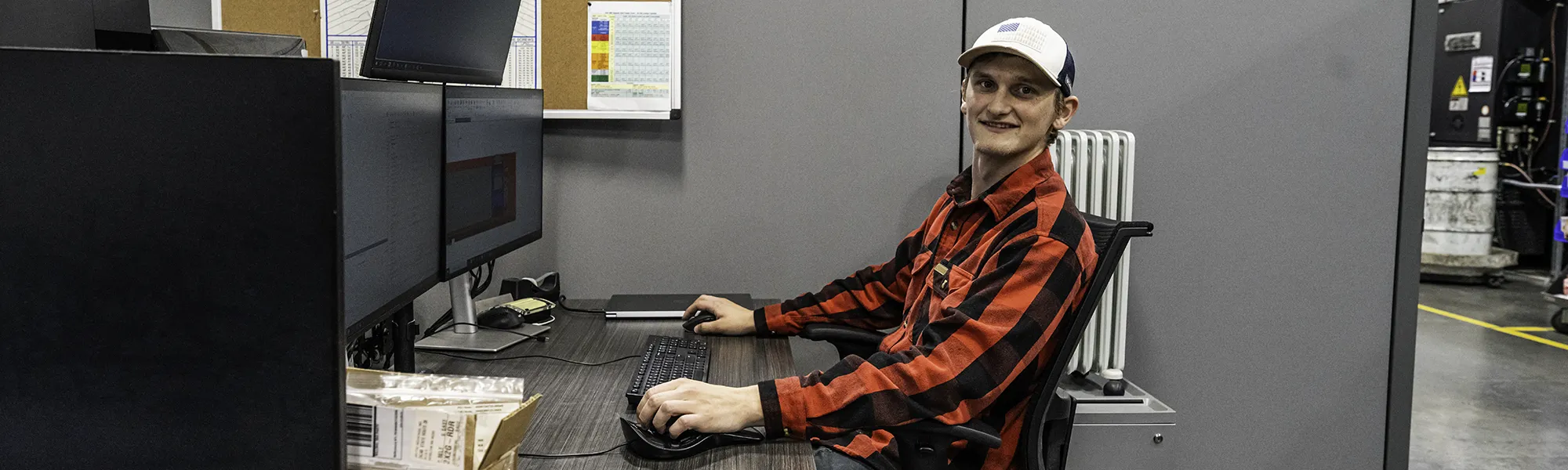
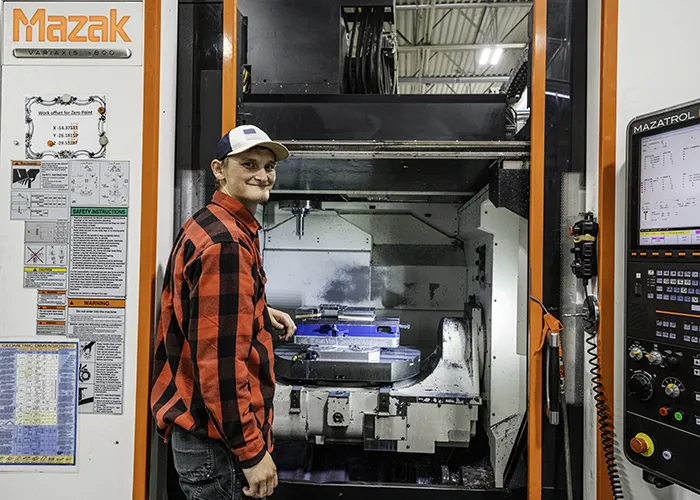
 His day-to-day duties vary at Janicki. Typically, he works with CAD modeling, speaks with technicians, reviews design, processes 3D printing projects and helps on the production floor. He’s involved in several projects this summer, but the main one involves creating a new modified drill jig to improve efficiency on some of the drilling operations.
 In his role, Luke works closely with NDI technicians and engineers to define and implement tests that detect material conditions and flaws that could otherwise lead to catastrophic failure in parts. These evaluations are performed in a way that preserves the future usefulness of the object or material. In short, NDI enables inspection and measurement without causing damage.
 One of Luke’s projects this summer involved designing a fixture to help rotate a part, which helped reduce both labor and time during a specific process. He said he was impressed, and at times, almost overwhelmed by the level of detail involved in every part.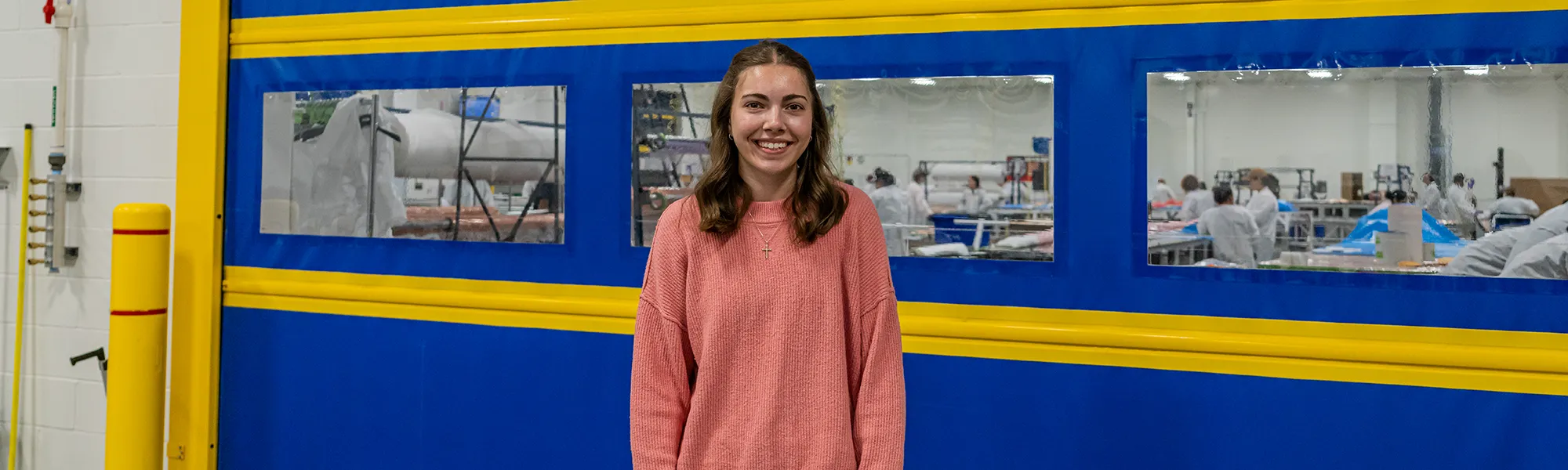
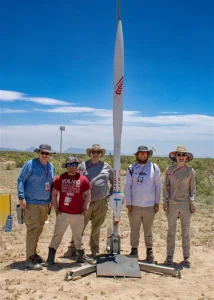
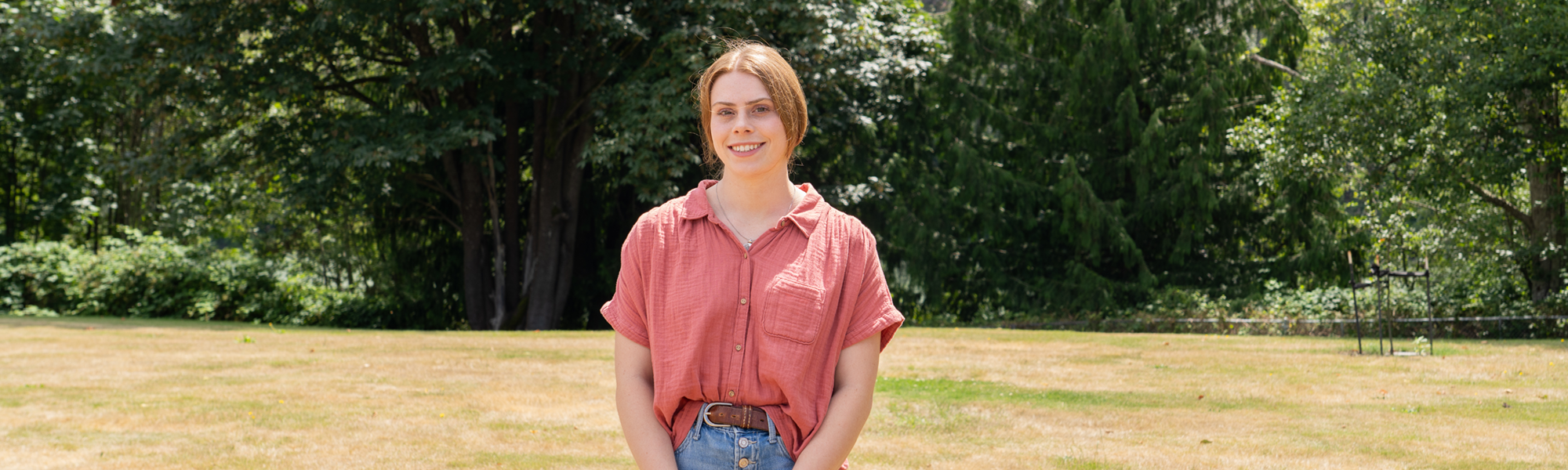
 Since then, she has worked on multiple projects for the space team. One of her key assignments involves designing and testing a fixture for a rocket, with a focus on pressure resistance and resolving structural issues such as bridges and wrinkles in the part.
 She also emphasized the importance of understanding non-engineering aspects of a project, including planning and budgeting. Her advice for future interns: Ask questions frequently and come in with a basic understanding of composite materials.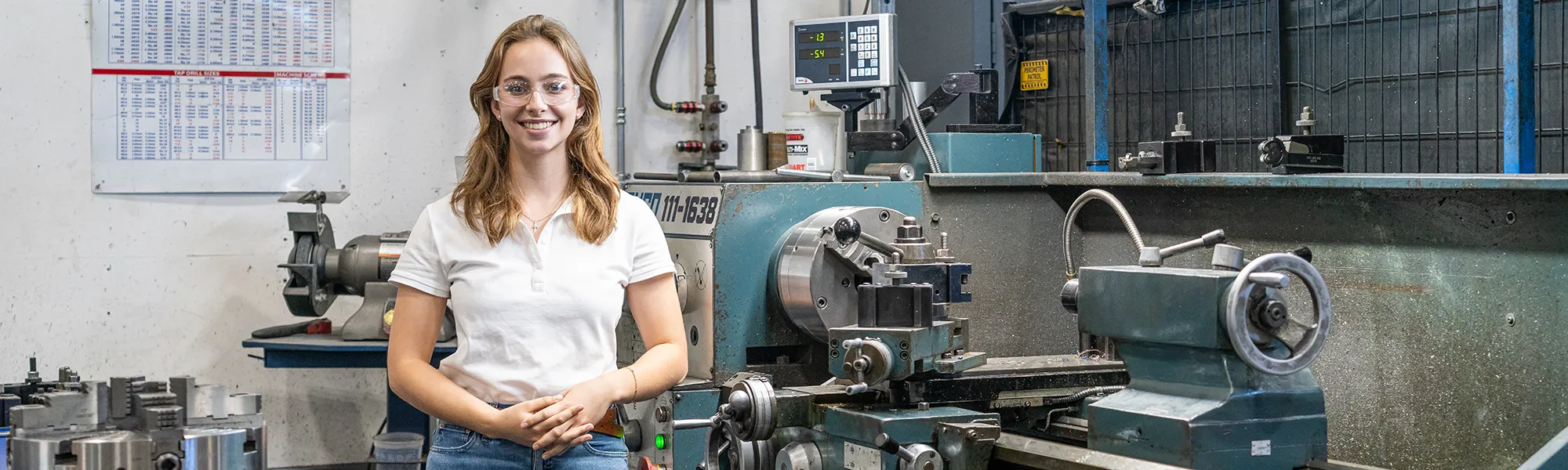
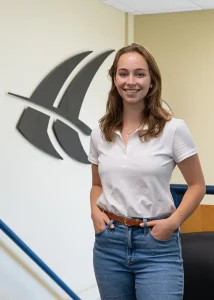
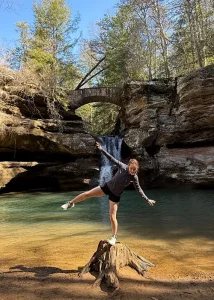 On campus, Rachel is a member of the Baja SAE team, where she works in the machine shop making parts for an off-road vehicle the team builds from the ground up. That hands-on experience has translated well into her internship this summer.
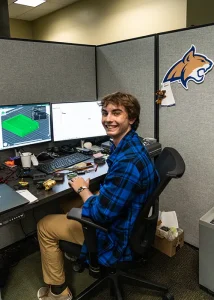 At Janicki, Hunter’s favorite part is the people and the company’s broad capabilities. He appreciates that Janicki has a hand in so many different markets, making it a dream place to intern for undergraduate students who are figuring out what they like and want to go into in the future. He spoke highly of his team’s support, noting how helpful and open they are when he has questions and when correcting his mistakes.
 One thing that surprised him about engineering was the practical role of an engineer. The jump from the classroom to on-the-job engineering was different than he was expecting. Hunter said that it’s more about keeping processes going, making little tweaks, and solving problems rather than theoretical classroom material. He talked about how he’s developing what he calls his engineering “knack.”